Five-dinner budget plan · Updated August 20, 2026
Put five family dinners under a $50 ceiling.
A practical menu, one consolidated list, and honest pantry assumptions for four people. This is a five-dinner example—not a promise to feed a family every meal for $50.
5
dinners
20
servings
$2.50
per serving
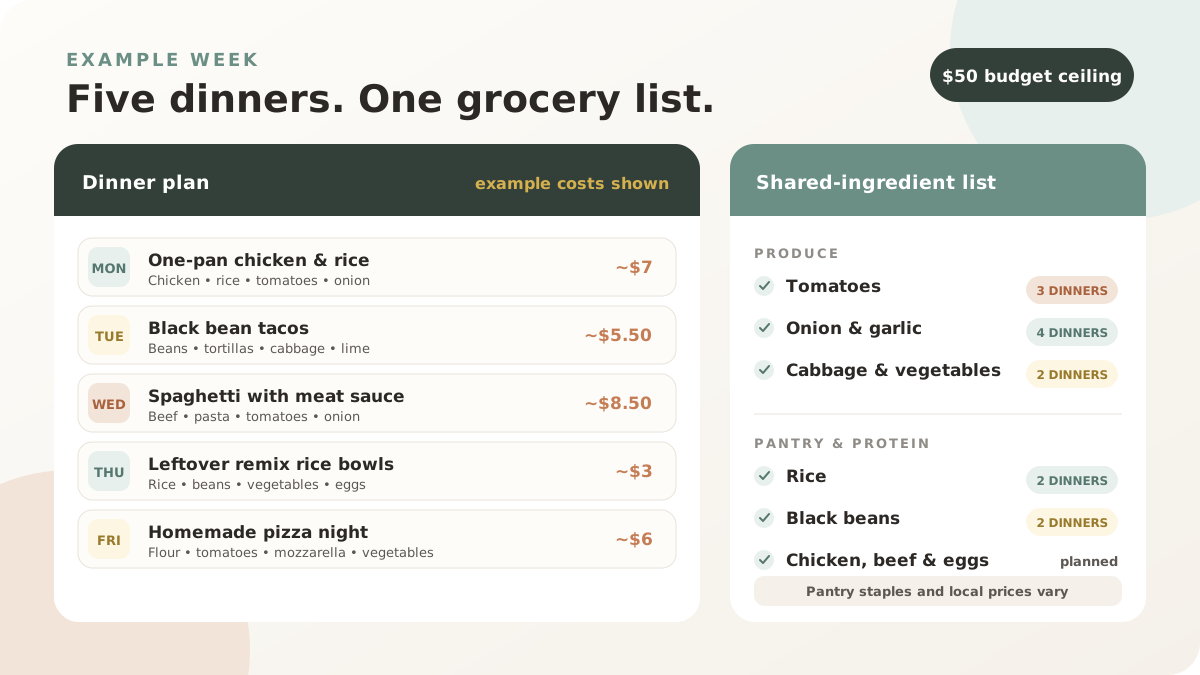
This is a five-dinner plan with a $50 grocery ceiling, not a claim that $50 covers every meal and snack for a family of four. It uses overlapping ingredients, assumes several pantry staples are already available, and leaves room for local price differences. If you are brand new to planning meals, start with our guide to meal planning basics first. Here is exactly how.
What $50 a Week Actually Looks Like Per Person
$50 divided across 5 dinners and 4 people equals $2.50 per dinner serving. That is a planning ceiling for this example, not a guaranteed checkout total or a complete daily food budget.
The constraint only works when ingredients cross between meals. Rice appears in Monday's chicken dinner and Thursday's leftover bowls. Cabbage stretches from taco night into another side. The plan is designed around consumed amounts, while your checkout may include larger packages that cost more upfront.
USDA's January 2026 Thrifty Food Plan listed $230.80 per week for its reference family of four, covering food prepared at home across meals and snacks. This page is deliberately much narrower: it focuses on dinners only, with breakfast and lunch left to whatever is already in the house or cooked from leftovers.
Weekly Budget Breakdown
$50 / 5 dinners / 4 people
= $2.50 per dinner serving. Breakfast, lunch, snacks, drinks, and pantry restocking are outside this example.
Compare Budget Plans
$50 vs $75 vs $100 Family Meal Plan
Use the $50 plan when the priority is getting dinners covered with the tightest possible grocery list. Move up to $75 when you want more protein, fruit, and lunch coverage. Use the $100 plan when convenience and variety matter more than squeezing every dollar.
Choose Your Store
Aldi, Walmart, or Generic $50 Plan?
The 5-2-1 Framework: The Secret to Budget Meal Planning
The reason most budget meal plans fail is that they feel repetitive. You make a big pot of something on Sunday and eat it for five consecutive nights and everyone starts resenting the word “dinner.” The 5-2-1 framework solves this:
- 5
Five different dinners
Each night is a distinct meal. No repeats until after the weekend.
- 2
Two lunches from dinner leftovers
Monday's chicken becomes Tuesday's lunch over a salad. Wednesday's pasta becomes Thursday's lunch with a fried egg.
- 1
One pantry/fridge clean-out night
Friday is the catch-all. Rice bowls, omelets, whatever needs to go. This is the most important meal for eliminating waste.
This framework gives you genuine variety across five dinners, uses leftovers strategically (not repetitively), and builds in a clean-out night intended to use ingredients that remain. It also keeps your grocery list short and focused.
If food waste is the problem you are trying to solve first, the same planning logic applies even when the budget number changes. Pair this plan with our guide to reducing food waste with meal planning so every ingredient has a job before you shop.
If you like this structure but do not want to build the list by hand every week, compare the best AI meal planning apps for grocery-list quality and ingredient overlap. The right tool should make the plan faster without making dinner feel generic.
Sample Weekly Plan: 5 Real Dinners for Under $50
Below is an illustrative five-dinner basket assembled with March 2026 store-brand price examples. The egg price uses the BLS U.S. city average for that month; other items should be checked against your local store before shopping. Quantities are calibrated for a family of four — two adults, two children — with enough for light leftovers.
Price reference: the BLS average-price series for Grade A large eggs reported $2.348 per dozen for March 2026, rounded to $2.35 here.
One-Pan Chicken and Rice
Bone-in chicken thighs seared with garlic and paprika, nestled on a bed of rice that absorbs all the pan juices. One pan, 35 minutes, everything done at once.
Black Bean Tacos
Seasoned black beans with cumin and garlic, piled into warm tortillas with shredded cabbage, a squeeze of lime, and a drizzle of hot sauce. Fast, filling, and kids love building their own.
Spaghetti with Meat Sauce
The reliable classic. Ground beef browned with onion and garlic, simmered with crushed tomatoes and Italian herbs, tossed with a full pound of dry pasta. Great for big appetites and even better as leftovers.
Leftover Remix Rice Bowls
Whatever is left over from the week goes into bowls: rice from Monday, beans from Tuesday, any cooked vegetables, a fried egg on top. This is the most important meal in any budget meal plan — the meal that proves nothing was wasted.
Homemade Pizza Night
Homemade pizza turns flour, water, and yeast into an inexpensive base. Top it with tomato sauce, shredded cheese, and vegetables that still need a planned use.
Estimated total for 5 dinners
~$36
Remaining for pantry staples & extras
~$14
The Grocery List for This Week
Shop store brands wherever they meet your needs, and compare unit prices when package sizes differ. This is a dated example basket, not a promise that one retailer will always be cheapest. Use our grocery budget calculator to see how your actual spending compares to these benchmarks.
Note: This list covers the five dinners above. Pantry staples (spices, oils, condiments) are assumed to be on hand — if you need to restock fundamentals, budget an additional $5–$8 for the first week only.
Produce
| Item | Quantity | Est. Cost |
|---|---|---|
| Onions | 2 lbs | $1.50 |
| Garlic | 1 head | $0.50 |
| Cabbage (small) | 1/2 head | $1.29 |
| Limes | 4 | $1.00 |
| Frozen vegetables or whatever is on sale | 1 bag | $1.50 |
Meat & Protein
| Item | Quantity | Est. Cost |
|---|---|---|
| Chicken thighs, bone-in | 4 lbs | $5.49 |
| Ground beef, 80/20 | 1 lb | $4.49 |
| Eggs, dozen | 1 dozen | $2.35 |
Pantry & Dry Goods
| Item | Quantity | Est. Cost |
|---|---|---|
| Long-grain white rice | 2 lbs | $1.80 |
| Spaghetti or pasta | 1 lb | $1.29 |
| Flour (for pizza dough) | 3 cups | $0.60 |
| Corn or flour tortillas | 8 count | $1.49 |
| Canned black beans | 2 cans (15 oz) | $1.58 |
| Diced tomatoes | 1 can (14 oz) | $0.89 |
| Crushed tomatoes | 1 can (28 oz) | $1.19 |
| Tomato paste | 1 small can | $0.89 |
| Pizza sauce or use crushed tomatoes | 1 can | $1.19 |
| Shredded mozzarella | 2 cups | $3.49 |
| Paprika, cumin, Italian herbs, chili powder | pantry staple | $1.00 |
| Soy sauce, olive oil, hot sauce | pantry staple | $1.00 |
Budget tip
Buy whole chickens instead of pre-cut pieces ($1.50–$2/lb savings). Use the backbone and wings for stock. Stretch one chicken across two dinners. This is how families on real tight budgets make meat actually work.
Turn This $50 Framework Into Your Actual Grocery List
Enter your family size, budget ceiling, store preference, and pantry items. SummitPlate builds a realistic weekly plan around ingredient overlap before you shop.
Build My $50 Grocery PlanWhere Families Overspend on Groceries Without Realizing It
If your grocery total feels higher than expected, inspect the basket before assuming one category is responsible. These are practical places to compare against your own receipt:
Pre-cut and pre-prepared vegetables
Prepared produce can carry a convenience premium, but the size of that premium varies. Compare the unit price, expected waste, and the time the prepared option actually saves before deciding.
Brand-name condiments and spices
Store brands can lower the basket total for pantry staples. Compare unit prices and ingredients instead of assuming either the brand name or store label is always the better value.
Single-use recipe ingredients
An ingredient used once is more likely to be left over. Plan a second use for herbs, sauces, produce, and proteins before adding them to the list.
Shopping without a list
A complete list makes unplanned additions visible and helps you check whether every purchase supports a meal, snack, or household need you intended to cover.
How SummitPlate Generates a $50 Weekly Plan Automatically
Building this manually means pricing ingredients, checking overlap between recipes, and consolidating the final list. SummitPlate automates that planning sequence and shows the estimate before you shop.
Here's how the budget mode works:
- Set your weekly budget. Tell SummitPlate how much you want to spend — $50, $75, $100, whatever your ceiling is. This is the constraint the algorithm optimizes around.
- Add ingredients you already have. Anything in the fridge or pantry gets factored in so you are not buying duplicates. That bunch of cilantro already in the crisper gets assigned to Tuesday's tacos automatically.
- AI generates five dinners. The algorithm looks for dinners that overlap on ingredients such as proteins and fresh produce while targeting the budget. Costs are estimates based on the ingredient-pricing data available to the planner, not a live quote from your store.
- Get your consolidated grocery list. Recipe quantities are consolidated and the list is grouped by store section. The estimated total appears at the top so you can compare it with your local prices and adjust before shopping.
- Shop once, cook the plan. Follow the five dinners. Use leftovers for the two designated lunch slots. Friday is your clean-out night. The math works because the plan was built around the budget from the start.
SummitPlate uses the budget as a planning input and estimates the resulting grocery list before you shop. Actual checkout prices still vary by store and location. The planner also accounts for ingredient overlap across all five meals — so if one pound of ground beef appears in both Monday's chili and Tuesday's tacos, you buy exactly one pound, portioned for both.
See What a Plan Could Save Your Family
Start with your current weekly grocery spend, then generate a plan built around the budget you actually want to hit. No credit card required.
Build My Grocery-Saving PlanFrequently Asked Questions
What is a realistic weekly grocery budget for a family of 4?
A realistic budget depends on ages, location, dietary needs, and how many meals it must cover. USDA food-plan reports are useful reference points for a complete at-home diet. This page is narrower: a dated example of five dinners for four people with some pantry staples already available.
How can I feed my family cheaply without repeating the same meals?
The 5-2-1 framework solves the variety problem: plan 5 different dinners, use 2 lunches from dinner leftovers, and save one night for pantry staples or a fridge clean-out. Ingredient overlap across meals keeps grocery costs down while keeping menus genuinely interesting.
Is $50 a week enough to feed a family of 4 nutritious meals?
It can cover the five dinners in this example when similar prices are available locally and some pantry staples are already on hand. It is not presented as a complete weekly food budget for every household. Adjust the menu for your family's nutritional and dietary needs.
Where do families overspend the most on groceries?
Common places to check are convenience-prepared produce, brand premiums, ingredients bought for only one recipe, and unplanned additions that are not connected to the week's meals. Compare unit prices and your own receipts to see which tradeoffs matter in your basket.
How does meal planning save more than just grocery money?
A meal plan can reduce last-minute dinner decisions and make it easier to use groceries before they spoil. Any financial benefit depends on your starting habits, local prices, and whether the plan actually replaces takeout or unused purchases.
What are the cheapest high-protein foods for a family budget meal plan?
Eggs, beans, lentils, Greek yogurt, canned tuna, chicken thighs, ground turkey, and cottage cheese usually give you the best protein per dollar. The trick is planning multiple meals around the same protein so none of it gets wasted.
Can SummitPlate help build a budget meal plan like this automatically?
Yes. SummitPlate can generate a weekly meal plan with overlapping ingredients and a consolidated grocery list in seconds, which is useful when you want the budget logic without manually building the full plan yourself.
You Might Also Like
Reduce Food Waste at Home
Budget$60/Week Meal Plan for a Family of 4
Grocery ListBudget Grocery List for a Family of 4
Budget$75/Week Meal Plan for a Family of 4
Budget$100/Week Meal Plan for a Family of 4
GuideMeal Planning for Beginners
SavingsHow Much Money Can Meal Planning Save?
Kitchen TipsMake Homemade Stock from Scraps
Interactive ToolGrocery Budget Calculator
PreviewBuild My Dinner Plan
Get a Personalized Plan Built Around Your Budget
SummitPlate generates your full week's dinners, consolidated grocery list, and leftover strategy — automatically calibrated to whatever you set as your weekly ceiling.